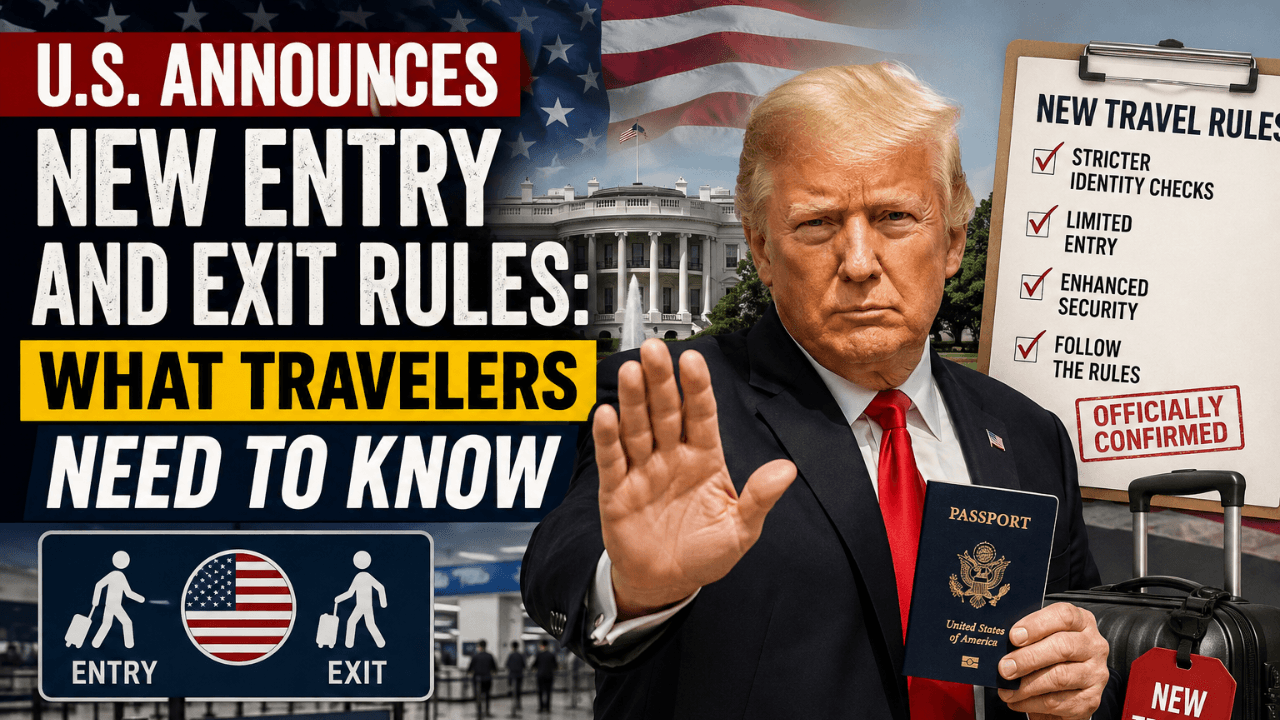
The U.S. Department of Homeland Security has expanded its Biometric Entry/Exit program, a rule that took effect on December 26, 2025. Under the change, Customs and Border Protection now has broader authority to collect facial biometrics — and related biometric data — from non-U.S. citizens both entering and leaving the country, at airports, land crossings, and seaports. This isn’t a brand-new concept; the U.S. has used facial recognition at some airports for years. What’s changed is the scale: the system is rolling out more widely and is expected to keep expanding to more crossings over the next several years.
Who Feels This Most
The expanded biometric checks mainly affect non-citizens, including green card holders, and visa categories like H-1B, L-1, TN, and O. If your travel documents, visa records, and CBP’s own databases don’t line up perfectly, you’re more likely to be flagged for extra questioning or sent to secondary inspection. Green card holders should also know that being outside the U.S. for more than 180 consecutive days can trigger the same “seeking admission” scrutiny applied to visa holders, and immigration attorneys have reported more secondary inspections and device searches for returning permanent residents over the past year.
A Wider Travel Ban Took Effect in January
Separately from the biometric changes, the U.S. significantly expanded its travel ban at the start of 2026. A presidential proclamation added roughly two dozen countries to the existing restrictions, bringing the total to around 40 nations affected by full or partial visa suspensions. Some countries face a complete entry ban across both immigrant and nonimmigrant visa categories, while others face partial restrictions, such as suspended tourist, business, or student visas. Nationals of restricted countries who held a valid U.S. visa before January 1, 2026 can generally still use it, but new applicants from those countries are largely barred. The list is reviewed roughly every 180 days, so it can expand or shrink over time.
Visa Waiver Travelers May See New Screening Too
If you travel to the U.S. under the Visa Waiver Program using ESTA, changes may be coming — though nothing has taken effect yet. CBP has proposed requiring ESTA applicants to submit up to five years of social media history, along with phone numbers, email addresses, a live selfie, and additional biometric data. The public comment period on this proposal closed in early 2026 after drawing more than 10,000 responses, but as of now the current ESTA process remains in place for travelers from the 41 visa waiver countries. Anyone planning a U.S. trip later in the year should keep an eye on CBP announcements, since this kind of policy can shift with limited advance notice.
What This Means for Your Devices and Data
Border agents already have significant authority to question travelers and, in some cases, search electronic devices at U.S. ports of entry — and that scrutiny has increased alongside these policy changes. Non-citizens, including visa holders and visa waiver travelers, risk being denied entry if they refuse to comply with a request. It’s worth thinking in advance about what’s accessible on your phone or laptop before crossing the border. It’s also worth remembering that constitutional protections travelers rely on inside the U.S. don’t fully apply at the border itself, and there’s no automatic right to an attorney during initial processing.
Practical Steps Before You Travel
None of this means travel to the U.S. is off the table for most people — it just means preparation matters more than it used to. Before flying, double-check that your passport, visa, and recent entry/exit history are consistent across all your documents. If you’ve recently had a status change, visa renewal, or a pending immigration filing, consider delaying travel until records have had time to sync across government systems. Building extra buffer time into your return trip, especially for time-sensitive plans, is also a smart precaution given the increase in secondary inspections.
Key Changes at a Glance
| Change | Status | Who It Affects |
|---|---|---|
| Expanded Biometric Entry/Exit Program | In effect since Dec. 26, 2025 | Non-U.S. citizens (visa holders, green card holders) |
| Expanded travel ban (~40 countries) | In effect since Jan. 1, 2026 | Nationals of restricted/partially restricted countries |
| ESTA social media/biometric data proposal | Proposed, not yet in effect | Visa Waiver Program travelers (41 countries) |
| Increased device and secondary screening | Ongoing, increasing | Non-citizens and, in some cases, returning residents |
Source
Frequently Asked Questions
Does the new biometric rule affect U.S. citizens? The expanded Biometric Entry/Exit program is primarily aimed at non-U.S. citizens, including visa holders and green card holders, rather than U.S. citizens.
Is the travel ban permanent for the affected countries? No. The list is reviewed roughly every 180 days, so countries can be added or removed depending on their vetting and security standards.
Do I need to submit social media history to travel under ESTA right now? Not yet. That requirement has only been proposed, and the current ESTA process is still in place while CBP reviews public feedback.
Can I be denied entry for refusing to unlock my phone at the border? Non-citizens, including visa holders and Visa Waiver Program travelers, risk being denied entry for refusing to comply with a device search request at a port of entry.
What should green card holders be especially careful about? Staying outside the U.S. for more than 180 consecutive days can trigger the same scrutiny applied to visa holders, so returning residents should be mindful of extended absences.
What’s the single best thing I can do before traveling? Confirm that your passport, visa, and recent travel history are accurate and consistent across all systems, and build extra time into your travel schedule in case of delays.